February 21, 2023
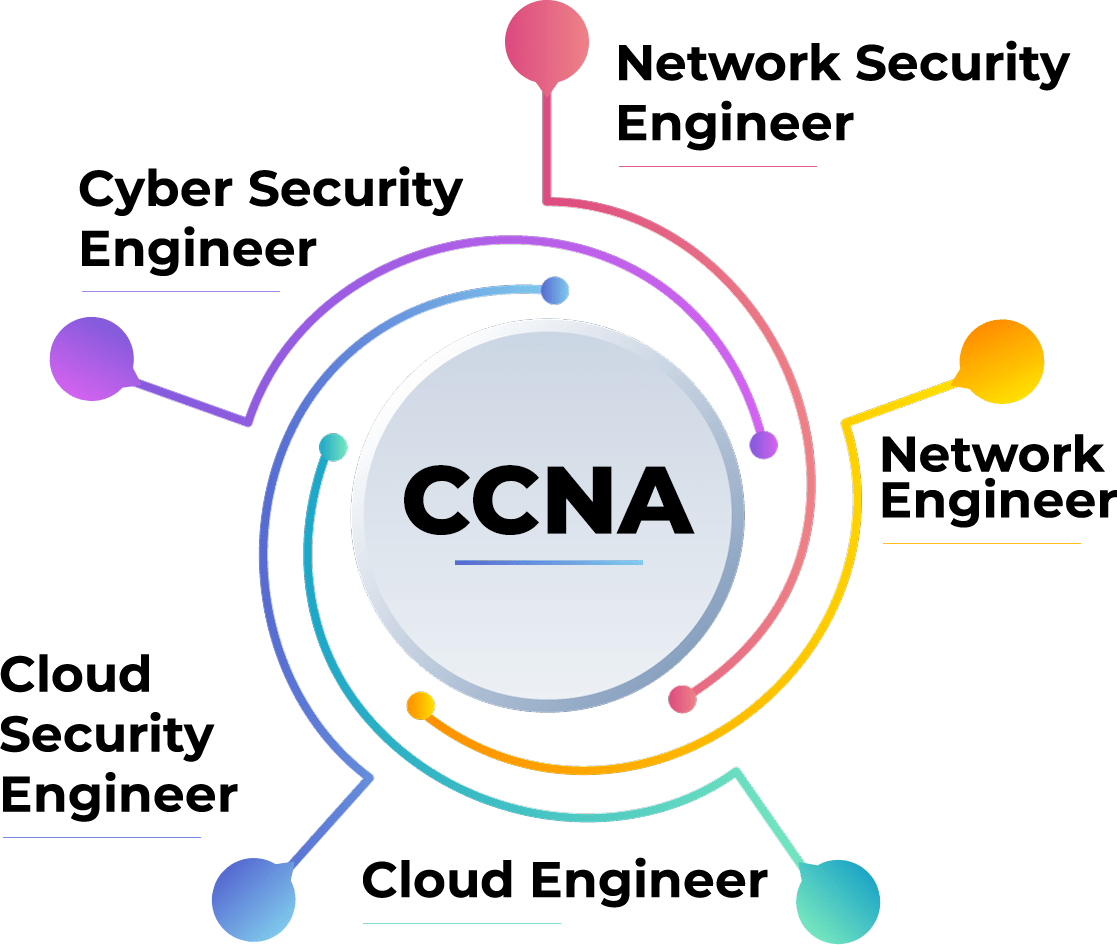 CCNA, or Cisco Certified Network Associate, is a certification course offered by Cisco Systems that is designed to validate a candidate's knowledge and skills in networking. This course is a popular choice for IT professionals who want to enhance their knowledge in networking or those who want to start a career in networking. In this blog, we will explore the CCNA certification course in detail, including its benefits, prerequisites, and exam topics.
There are numerous benefits of obtaining a CCNA certification. Some of the major benefits are:
Enhanced Knowledge and Skills: The CCNA certification course provides candidates with a broad understanding of networking concepts, as well as practical experience in designing, configuring, and troubleshooting various network devices.
Career Advancement: The CCNA certification is widely recognized in the industry, which makes it a valuable asset for IT professionals seeking career advancement. Employers often prefer to hire candidates with CCNA certification for networking roles.
Networking Opportunities: The CCNA certification opens up networking opportunities in various industries, including healthcare, finance, retail, and more. The certification also provides access to a global network of Cisco Certified Professionals.
The CCNA certification course has no strict prerequisites. However, Cisco recommends that candidates have a basic understanding of networking concepts and experience with configuring and managing network devices. Candidates are also expected to have a good understanding of the OSI and TCP/IP models, as well as knowledge of IP addressing, subnetting, and routing protocols.
The CCNA certification exam covers a range of networking topics. Some of the major topics covered in the CCNA certification exam are:
Network Fundamentals: This topic covers the basic concepts of networking, including network components, topology, and protocols.
Network Access: This topic covers the configuration and management of network access devices, including switches and wireless access points.
IP Connectivity: This topic covers the configuration and troubleshooting of IP connectivity, including IP addressing, subnetting, and routing protocols.
IP Services: This topic covers the configuration and management of services such as DHCP, DNS, NAT, and NTP.
Security Fundamentals: This topic covers the fundamentals of network security, including the configuration and management of security measures such as firewalls, access control lists (ACLs), and secure network management.
Latest Posts
Stay Updated
Get latest updates directly to your inbox.


 info@in.thehubofknowledge.com